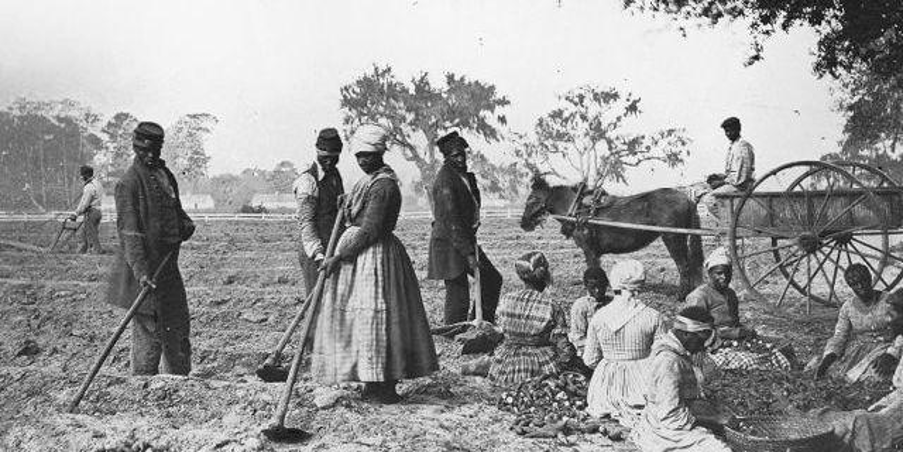
American Slavery &
The Atlantic Slave Trade
A Grade 7 Social Sciences exploration of one of history's most important and challenging chapters — and how it shaped the world we live in today.
↓ Scroll to explore
A Grade 7 Social Sciences exploration of one of history's most important and challenging chapters — and how it shaped the world we live in today.
Welcome to a study of the history of slavery in the American South and the Atlantic Slave Trade. This was a system that lasted for over 400 years and affected the lives of millions of people. Understanding this history helps us understand how the modern world was built — and why it looks the way it does today.
This resource is designed for Grade 7 Social Sciences learners following the CAPS curriculum. Each page includes historical content, images, inquiry questions, and activities to deepen your understanding.
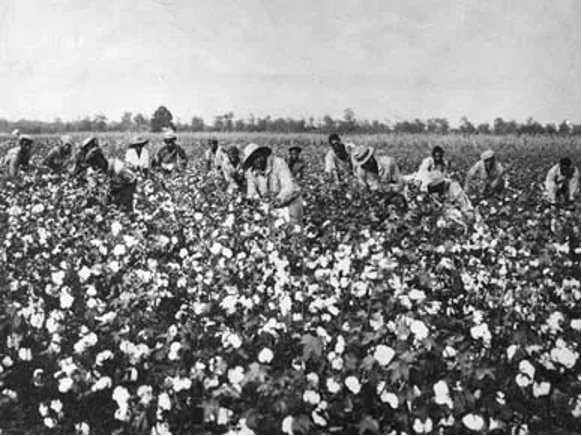
A slave is a person who is forced to work for another person without pay. A slave:
"In what ways was slavery significant for the development of the American colonies?"
Portugal begins the transatlantic slave trade, transporting enslaved Africans to Europe and Atlantic islands.
John Hawkins makes the first English slaving voyage, capturing 300 Africans in Sierra Leone.
First enslaved Africans arrive in Virginia, British North America (the future United States).
Eli Whitney invents the cotton gin, making cotton extremely profitable and increasing the demand for slave labour.
The United States outlaws the importation of new slaves, though the domestic slave trade and slavery itself continue.
The 13th Amendment to the U.S. Constitution officially abolishes slavery after the Civil War.
The Southern Colonies — Maryland, Virginia, North Carolina, South Carolina, and Georgia — had fertile soil, coastal plains, and a warm climate. These conditions were perfect for building enormous plantations where cash crops could be grown on a massive scale.
Tobacco was the first profit crop grown in the colonies. Planters shifted from using indentured servants to enslaved Africans as demand grew. By the 1700s, tobacco was Virginia's main export, making wealthy landowners even richer.
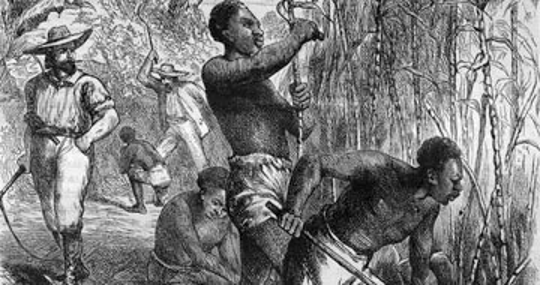
Rice became a major crop in the swampy coastal regions of South Carolina and Georgia. Enslaved Africans brought specialised knowledge of rice farming that European planters did not have — including techniques for irrigation and processing.
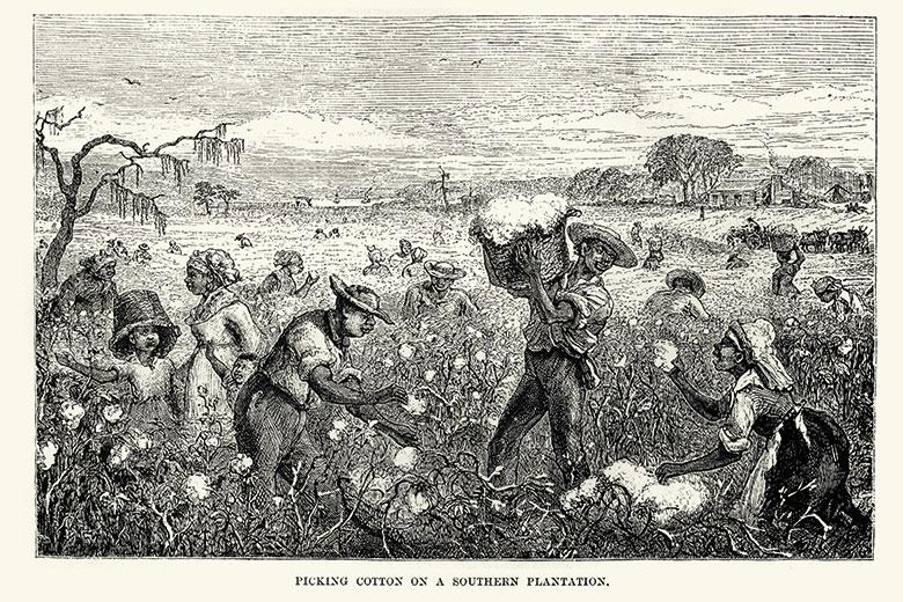
After the Louisiana Purchase in 1803, sugar cane plantations exploded across the southern territories. The work was brutally hard — cutting, crushing, and boiling cane in extreme heat. Sugar was one of the most valuable products in the world.
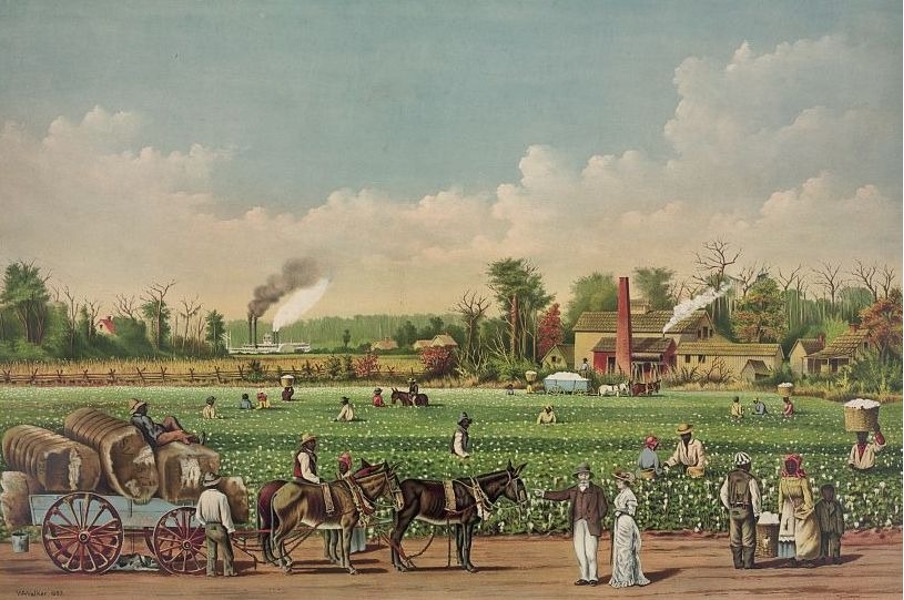
After Eli Whitney's cotton gin (1793), removing seeds from cotton became fast and cheap. Cotton production exploded, and so did the demand for slave labour. Cotton became "King" — the most valuable export in America, feeding textile mills in Britain and New England.
Europe turned to America because it had more available land and a better climate than Britain to grow the raw materials needed to feed its factories. The Southern colonies offered the perfect conditions for large-scale agriculture — but the labour system that powered it was built on the brutal exploitation of enslaved people.
Test your understanding of plantations and cash crops by completing this Google Form assessment.
📋 Complete the Quiz →European demand for New World cash crops — tobacco, rice, sugar, cotton — grew faster than the supply of workers. Planters needed cheap, controllable labour to maximise their profits. But why did they choose enslaved Africans specifically?
Indentured servants were people who agreed to work for a set number of years (usually 4–7) in exchange for passage to America. But once their term was up, they were free. Planters couldn't keep them long enough to be profitable.
European diseases like smallpox, measles, and influenza devastated Indigenous populations. Between 50% and 90% of native peoples died from these epidemics. Survivors knew the land well and could escape more easily.
Cheap labour meant massive profits. Because planters did not have to pay wages, they could produce cash crops at a very low cost and sell them for very high prices.
Instructions: In small groups, prepare arguments for both sides of these questions. Then hold a class debate. Use evidence from what you have learned.
"Was slavery needed for money, or was it just a bad choice?"
Consider: Could the colonies have developed differently? What alternatives existed? Did the profit justify the brutality?
"Why did planters choose enslaved Africans instead of indentured servants or Indigenous people?"
Consider: Was it about race? About economics? About control? What made enslaved Africans the "best" choice from a planter's perspective?
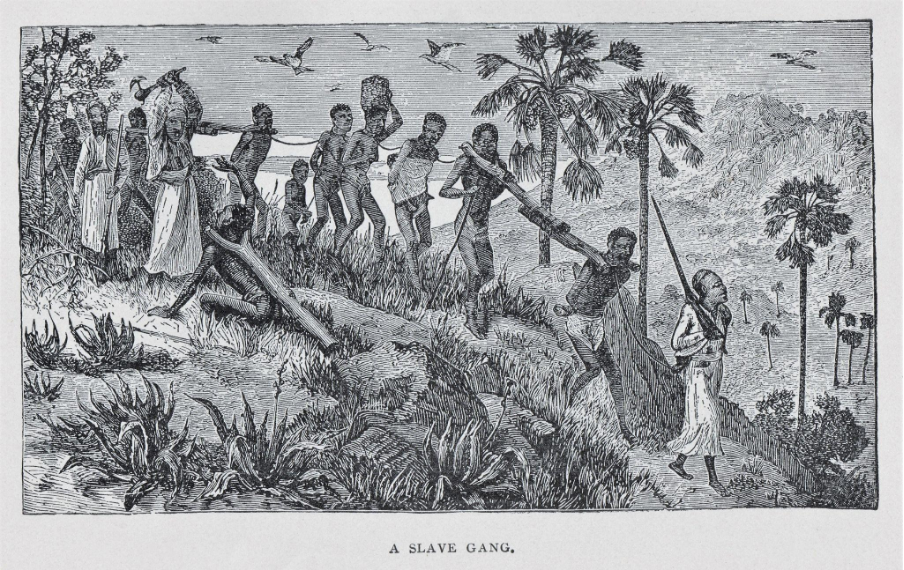
In the 15th and 16th centuries, European traders initially traded goods with powerful West African empires like Ghana and Mali. But as the demand for labour in the Americas grew, the trade shifted from goods to human beings.
People were enslaved through:
On the coast of West Africa, the Europeans built approximately 80 stone slave castles and forts. These were heavily armed — some with up to 100 guns and cannons. Captives were crammed into narrow, windowless dungeons with no light, no fresh air, and barely enough space to sit down. They could be held here for weeks or months before being loaded onto ships.
European traders bought captives directly from African traders who had captured them through tribal wars or judicial condemnation. This was a brutal partnership driven by profit on both sides.
The journey across the Atlantic was called the Middle Passage. It was a nightmare of suffering. Enslaved people were packed into the cargo hold of ships — lying side by side in spaces so small they could not sit up fully. Disease, starvation, and brutal treatment killed millions before they even reached America.
The Plan of the lower deck of a typical slave ship shows how 292 slaves could be stored below decks, with 130 of these being stored under the shelves — a horrifying image of how human beings were treated as cargo, not people.
Look closely at the slave ship diagram image above. Write a 3-sentence descriptive paragraph from the perspective of one of the enslaved people on that ship. What do you see, feel, smell, and hear? What are you thinking?
Use vivid, sensory language to bring your description to life.
After surviving the Middle Passage, enslaved people were sold in slave markets built in major American cities: Philadelphia, Richmond, Charleston, and New Orleans. But the journey to these markets often involved being shipped from inland networks and sold multiple times along the way.
The auction process was deliberately dehumanising:
Most tragically, families were cruelly torn apart. Husbands were separated from wives, parents were separated from children — often forever. A mother might watch her child being sold to a different buyer, never to see them again.
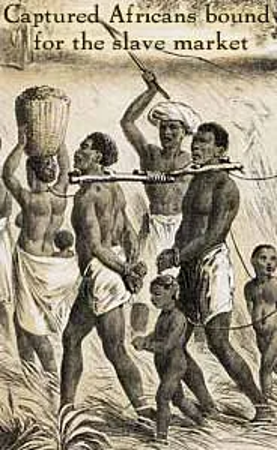
Imagine you are witnessing a slave auction. A family is being separated — a mother, father, and three children are being sold to four different buyers. Write a short, anonymous response reflecting on the emotional and social impact of breaking up families.
📌
Padlet Board Placeholder
Your teacher will provide a Padlet link for anonymous responses. Post your reflection there and respond to at least two classmates' posts.
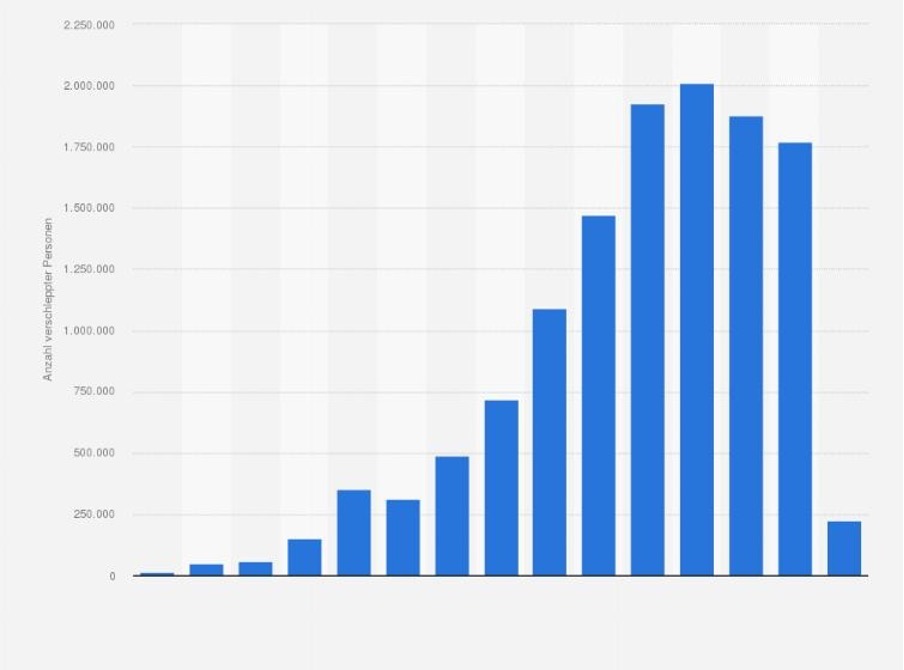
The scale of the transatlantic slave trade is almost impossible to comprehend. These numbers represent real human beings — each one a person with a name, a family, a culture, and a life that was stolen.
Over 245 years, British merchants launched roughly 10,000 slaving voyages, carrying 3.4 million+ people. But these numbers tell only part of the story.
Total estimates put the ocean-crossing count at 12 to 15 million people, with 77% (10.1 million) of these people being transported between 1701 and 1850 — the peak of the slave trade.
"Plan of lower deck with the storage of 292 slaves, 130 of these being stored under the shelves."
This description from a real slave ship shows how enslaved people were treated as cargo — packed like objects into every possible space to maximise profit, regardless of their suffering.
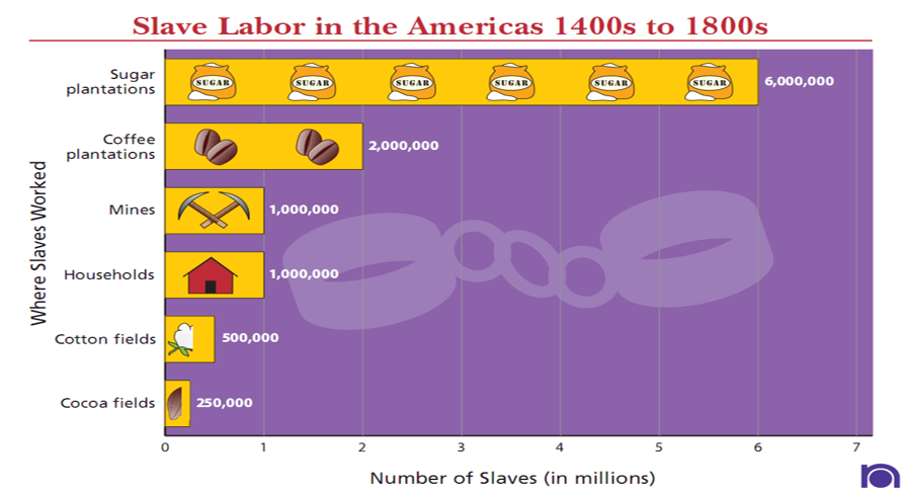
Create a flow chart that tracks the data pathways of the transatlantic slave trade:
Add numbers to each step — how many people survived each stage? Use the data from this page to make your flow chart accurate.
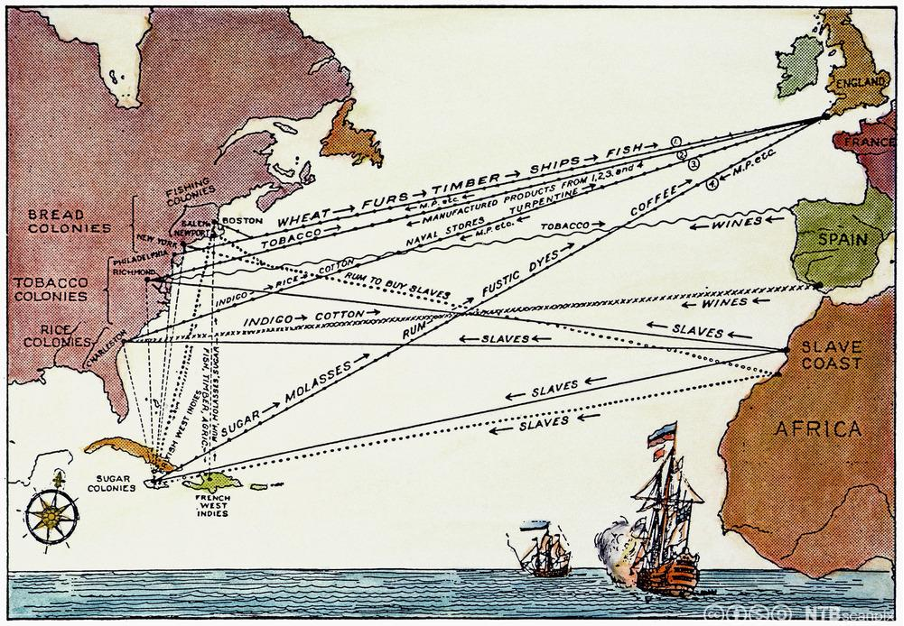
Enslaved people did not just produce crops — they fuelled the entire economy of the Atlantic world. The raw materials they grew and harvested were shipped across the ocean to be turned into products that made Europe and America richer, while the enslaved people who produced them earned nothing.
Raw goods produced by enslaved labour included:
🌍
Africa
Captives sold for guns, textiles, and alcohol
🌾
Americas
Enslaved people produce raw materials (cotton, sugar, tobacco)
🏭
Europe
Raw materials manufactured into finished goods
Britain manufactured these raw goods into products, sold them back to America, and traded them in West Africa for more slaves. This closed a brutal global loop — enslaved people worked hard but earned nothing to buy the very products they had helped produce.
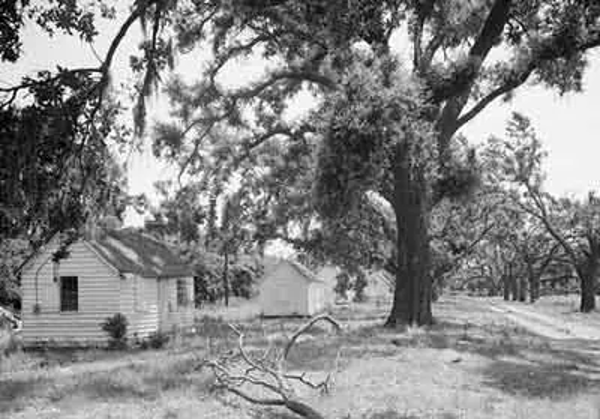
Slave productivity did not just feed plantations — it fueled early industrialisation. The cotton grown by enslaved hands powered the textile mills of Manchester, England. The sugar sweetened the tea of Europe. The tobacco filled the pipes of gentlemen. And yet, the people who produced all this wealth lived in poverty, violence, and bondage.
This is one of history's great and terrible ironies: the people who built so much of the modern world's wealth received none of it.
In small groups, create a mindmap detailing the Triangular Trade and its commodities.
Instructions: